Sustainable Agriculture
ADVERTISEMENT
Seed Sovereignty: Why Protecting Crop Diversity Is Key to Climate Adaptation
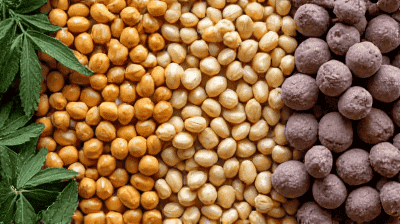
As climate change continues to impact agricultural systems worldwide, the need for resilience in food production becomes increasingly critical. One of the most effective strategies for enhancing resilience is ensuring seed sovereignty and protecting crop diversity.
How France Became a Global Leader in Supermarket Food Waste Bans
Food waste is one of the most pressing environmental issues of our time, with approximately one-third of all food produced globally going uneaten. This waste not only signifies a massive economic loss but also has profound implications for climate change, resource depletion, and food security.
The Circular Food Economy: How to Design a Waste-Free Food System
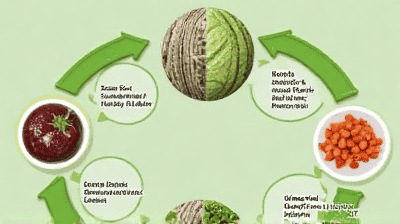
The global food system is in a state of crisis. With over 800 million people facing hunger and nearly one-third of all food produced going to waste, there is an urgent need for a transformative approach to food production, distribution, and consumption.
The Role of Cover Crops in Preventing Soil Erosion and Carbon Loss
Soil is one of the most valuable resources on our planet, providing essential nutrients for crops, supporting biodiversity, and playing a critical role in water filtration. However, soil erosion and carbon loss pose significant threats to soil health and agricultural productivity.
Small-Scale vs. Industrial Agriculture: Which Feeds the World Sustainably?
The question of how to sustainably feed the world's growing population has sparked significant debate in the fields of agriculture, environmental science, and food policy. With the global population projected to reach nearly 10 billion by 2050, the challenge of increasing food production while maintaining environmental health has never been more urgent.
The Future of Fishing: Can Sustainable Aquaculture Feed 10 Billion People?
The global population is expected to reach approximately 10 billion people by 2050, putting immense pressure on our food systems to provide adequate, nutritious food for all. One promising solution to this challenge lies in sustainable aquaculture, the farming of fish and other aquatic organisms.
Regenerative Organic Agriculture: Healing Soil While Growing Nutritious Food
Sustainable agriculture has become a crucial topic in the face of climate change, biodiversity loss, and declining soil health. Conventional farming practices have often prioritized short-term yields over the long-term health of the environment, leading to soil depletion, increased greenhouse gas emissions, and reduced nutritional quality of food.
Ancient Grains for Modern Times: Climate-Resilient Crops for the Future
As the challenges of climate change and global food insecurity intensify, the quest for sustainable agricultural practices has never been more critical. In this context, ancient grains—cereal grains that have been cultivated for thousands of years—are gaining renewed interest as viable, climate-resilient crops for modern agricultural systems.
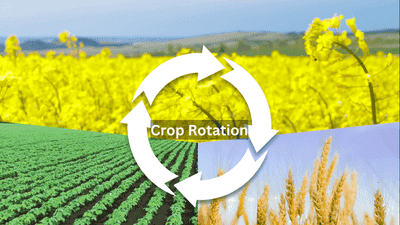
The Science Behind Crop Rotation: Boosting Soil Health Without Chemicals
In the quest for sustainable agriculture, one of the oldest yet most effective practices is crop rotation. This technique, which dates back thousands of years, involves alternating the types of crops grown in a specific area across different growing seasons.
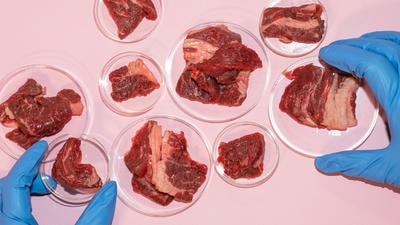
Lab-Grown Meat: Will Cellular Agriculture Revolutionize Protein?
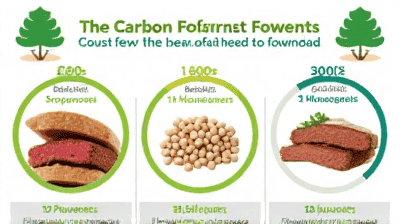
The quest for sustainable food sources has driven innovation in agriculture and food systems, resulting in various approaches to meet the demands of a growing global population. One of the most promising advancements in recent years is cellular agriculture, commonly known as lab-grown or cultured meat.